Dear Paisa,
Words by Elida Silvey
The events that have unfolded over the past two years have left us heavy-hearted. I often feel unable to distinguish a pang of anxiety from the constriction of the common cold, it sits heavy inside me like a coil wound-up tight. In moments where I need to loosen it a bit, to take a deep breath and find a reason to get up in the morning I turn to art, to friendship, to genuine conversation.
So this is my love letter to you, a sort of conversation I want to have with you. I want to offer you some things to sit with, to make sense of, in the hopes of generating release.
Not as a form of escapism, but as a way to reenergise ourselves so that we can approach every day as empathetic humans, devoid of the coil that these circumstances so often generate. The coil—of anxiety, fear, distance and hopelessness—sits so heavy in the body.
I hope these recommendations will help loosen it a bit, even for a short little while.
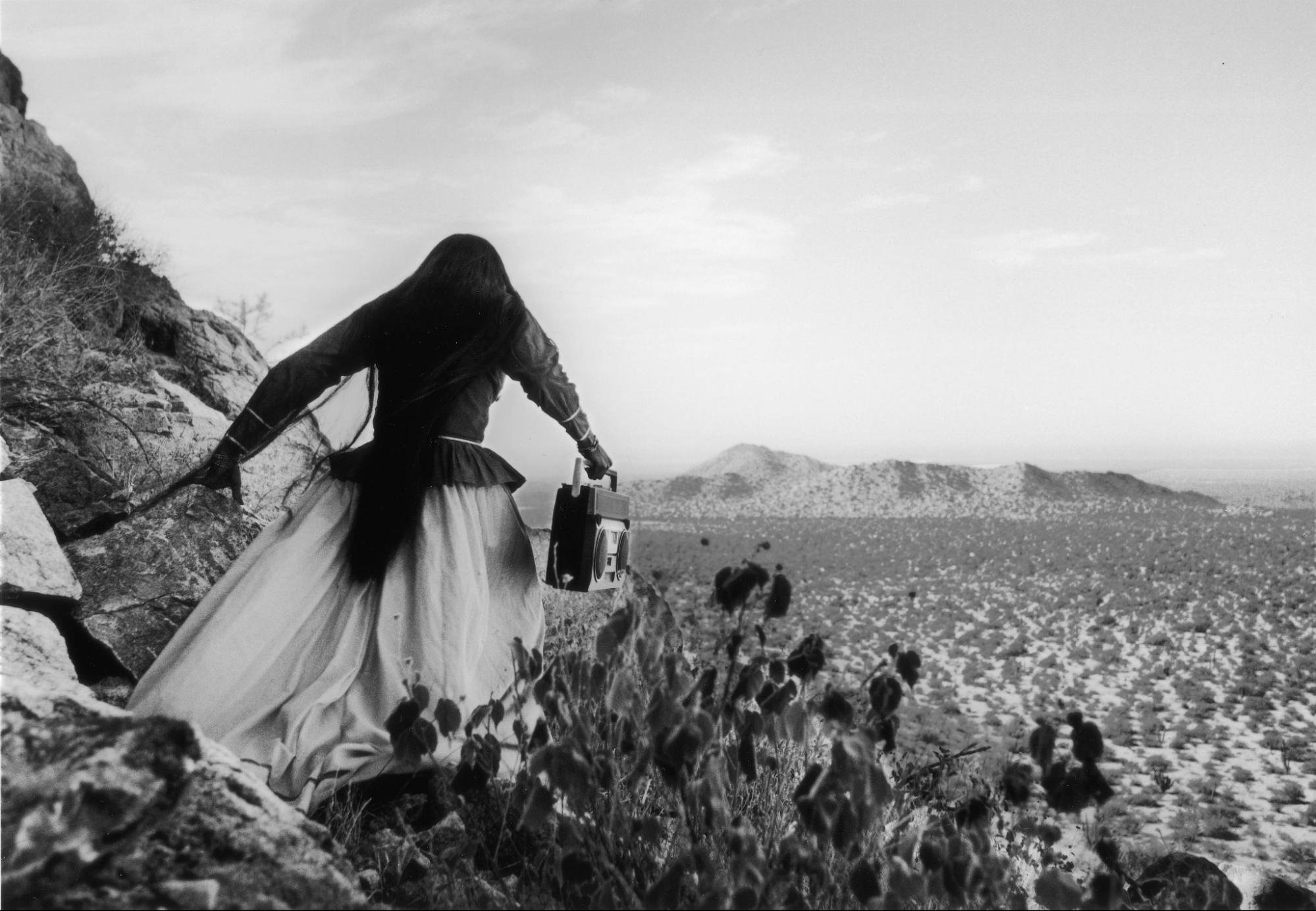
Fig. 1 - Angel Woman by Graciela Iturbide, 1979
Angels are martyrs we crucify. We forget their natural bodies—
ligaments strain from long hours on the clock, struck down by the dollar, that phantom dollar que agobia, splitting hairs over their appearance to wince away the nomenclature of this or that, to align to whatever that or this is safest, to oscillate between the two, to run from the hunt, the hammering, the swinging gavel, that cleaves into their backs, into their exposed spines, to siphon the source that connects us to the Earth in ways they could only dream of, to siphon the self before that essence sours from the detachment, before it spoils from the acidity [of Capitalism], that clock despises them and they, it
—and we call them, retroactively, dignified.
My fear of ICE is nothing new. La migra has been a shadow of death that follows the bodies of Latinxs for as long as I remember. A scythe ready to swing. Growing up my parents were illegal immigrants (from Mexico and Venezuela). As the oldest daughter, I became well aware of what that term ‘illegal’ implied.
I saw the flexibility of the law: Illegal could mean;
something punishable by force–seeing families torn apart when their parents lacked social security numbers or worked the kinds of jobs that no citizen wanted, due to low-pay or poor conditions, on their expired visas; or
a forgivable infraction–like the murder of 18 yr-old Clifford D. Lewis by police in 2001. The year my sister was born.
I understood the concessions we had to make to survive, but it didn’t stop me from finding ways to alleviate the coil these actions wound up inside me. I didn’t want to live life as a martyr to my circumstances.
I took refuge in community, in conversation, in
art. Learned that a song could be
just as validating as a scream.Anger was, and still is, justified but so is the need to expel it in ways that alleviate. Acknowledging that, doing so, is not running away from the issue but filling your glass so that you could pour it for others. We are only as capable as those around us.
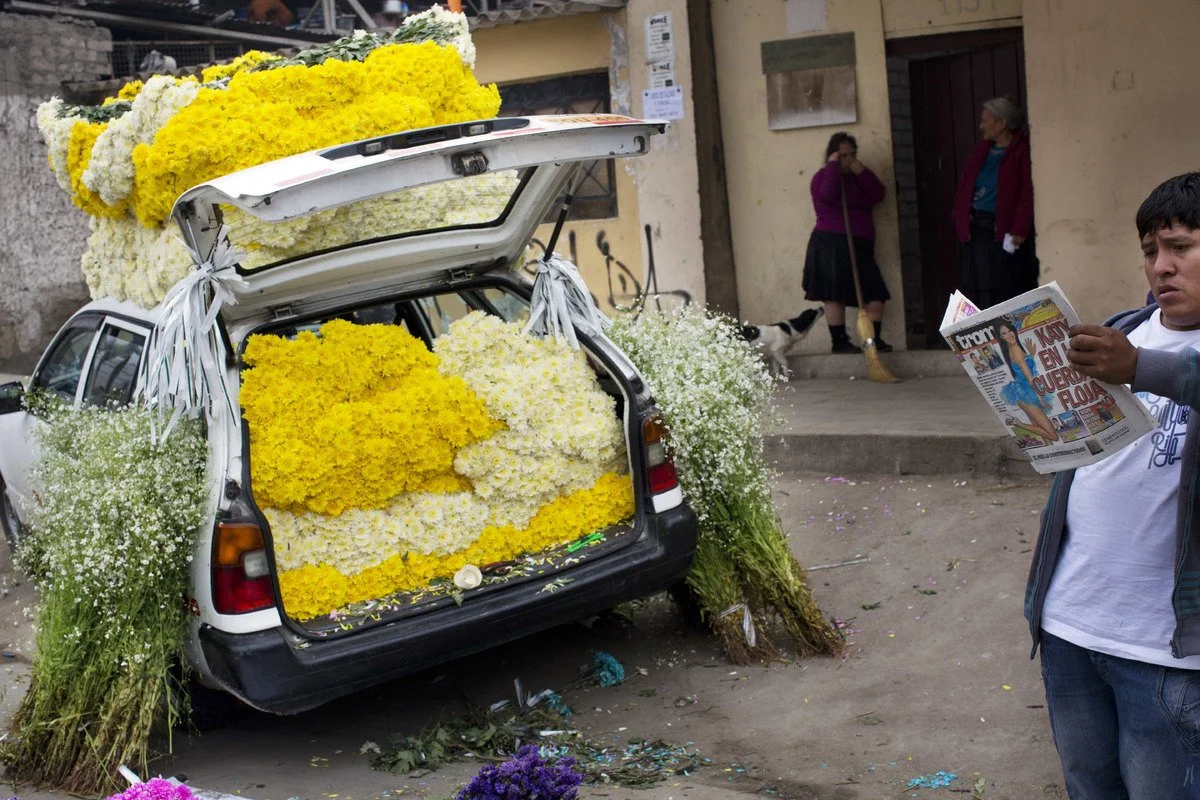
Fig. 2 – A flower vendor near the Nueva Esperanza cemetery in Lima, Peru on Nov 01, 2013, Rodrigo Abd
Don’t get me wrong, the ICE of now is a military let loose on the streets. They seem to target anyone they deem suspect and suspicious, and as far as they’re concerned, it’s anyone who Trump would otherwise deem superfluous to his vision of America. This is a dangerous place to be.
So, how does one wake up in the morning? How do you pull your tired body up and out of itself into some semblance of hope?
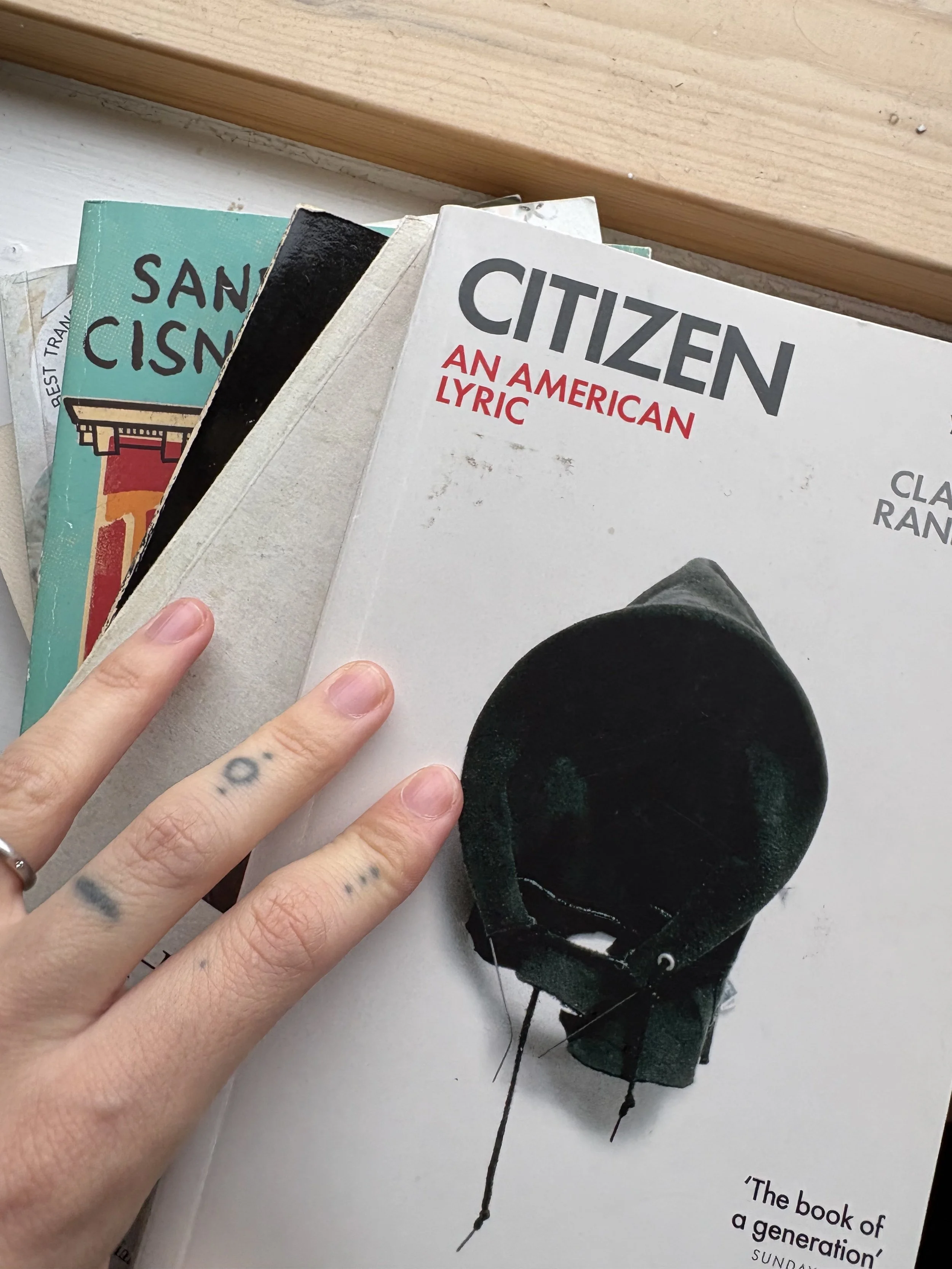
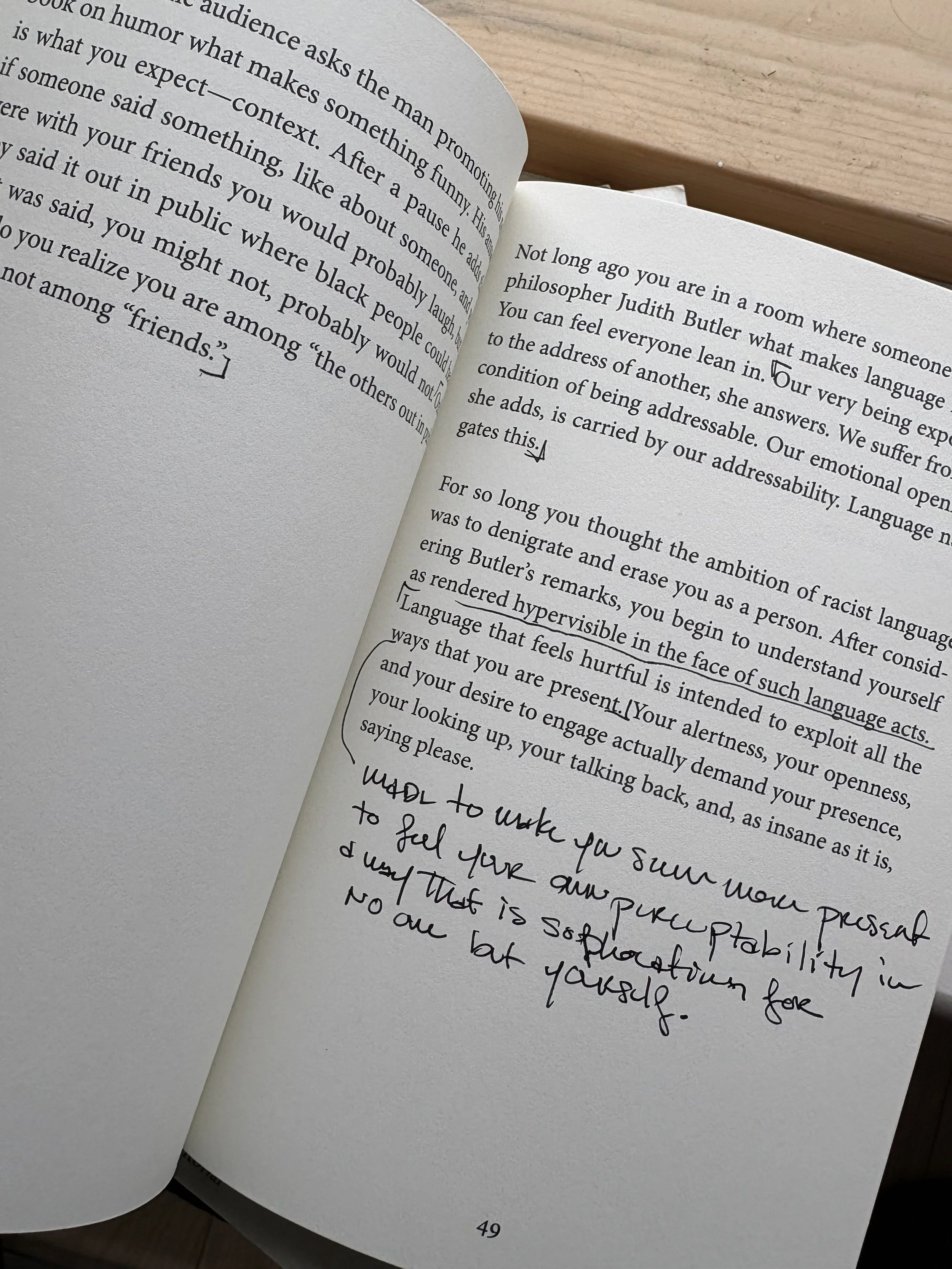
“It is not only that confrontation is headache-producing; it is also that you have a destination that doesn’t include acting like this moment isn’t inhabitable, hasn’t happened before, and isn’t part of the now as the night darkens and the time shortens between where we are and where we are going.” (Rankine, Claudia. 2014. Citizen. Graywolf Press.)
What is happening, is, in fact, happening. This cannot be erased nor should it be forgotten but as Bad Bunny said, ‘The only thing more powerful than hate is love.’ There is more within you than you can conceive of. Do not live in fear, not because there isn’t anything to be afraid of but because there is so much more to love. Create an immediate space that fills you with this love. This will loosen the coil. This will form a reality worth fighting for.
“Then why am I writing these lines which are not bringing much into the world? It’s one of those things that people do, that’s all. There’s in each of us the hidden belief that somehow we matter...” (Etel Adnan. 2020. Shifting the Silence. New York Nightboat Book)
And we do, but no one exists in an echochamber. Find voices that move you. Move with them. An action causes a shift.
There is a sense of release in that movement — while it cannot fix everything that is wrong, it allows you to be human, to slump into yourself and unwind the tightness around your belly that sits inside like a cist. Allows you to breathe: in through your nose, out through your mouth.
Perhaps, like Etel Adnan writes, there is a strange desire within all of us to matter, to matter as anyone ought to matter, and the act of saying hello is a way of extending that to others. As if to say, witness me and I’ll witness you.
This letter is my way of saying hello to you. I am here: a child of two illegal immigrants who deserved, then, as those in the US do now, to have their own realities to live for. If I am here, and you are here reading this with me, then we are in this together.
A sentence strings through us all.
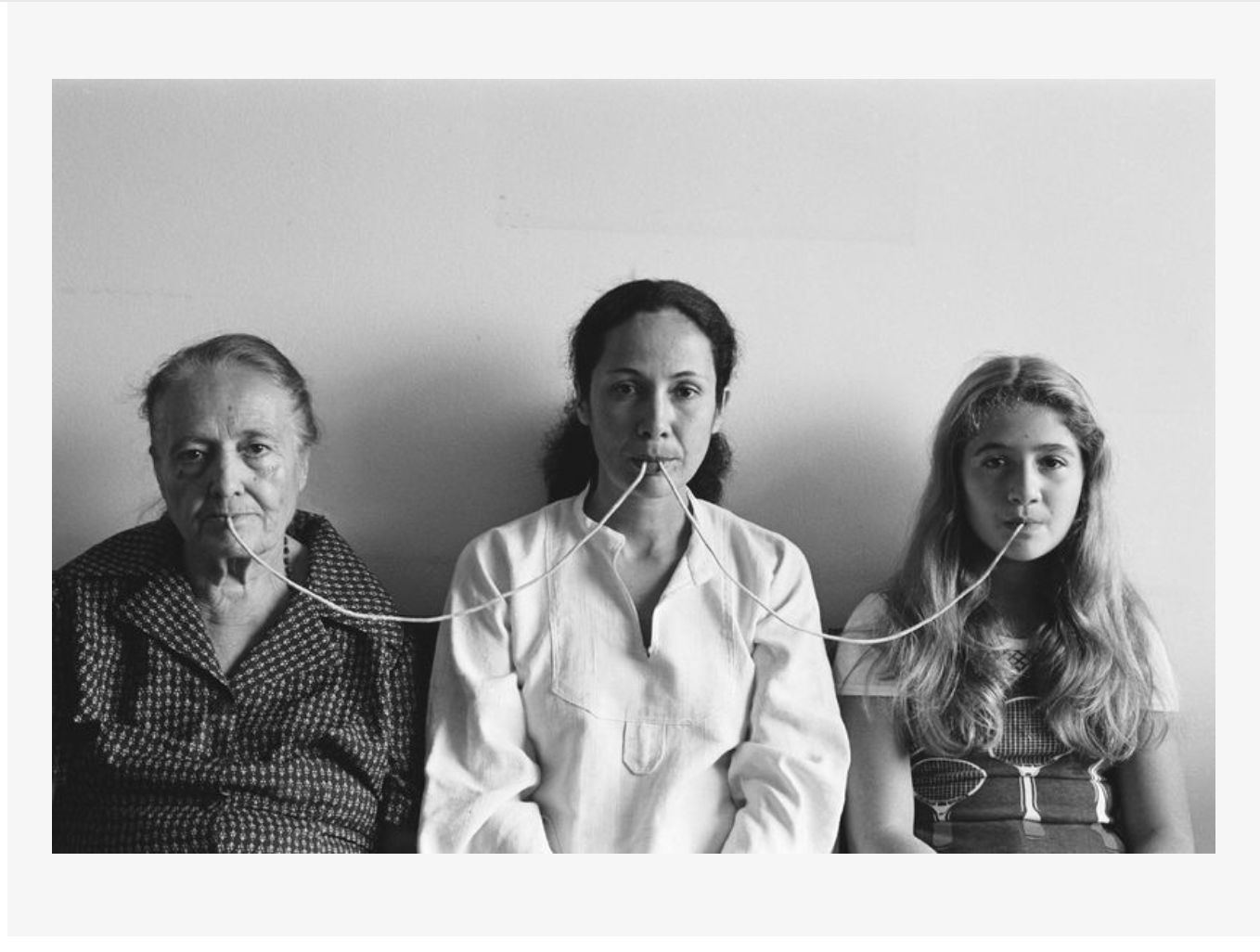
Fig. 3 Por um fio (By a Thread), from Fotopoemação (Photopoemaction) series, Anna Maria Maiolino
The following recommendations are potential pathways for finding release, or respite, to enable hope and, most importantly, to create your space filled with love. This will loosen the coil so we are better equipped to face everything we cannot change.
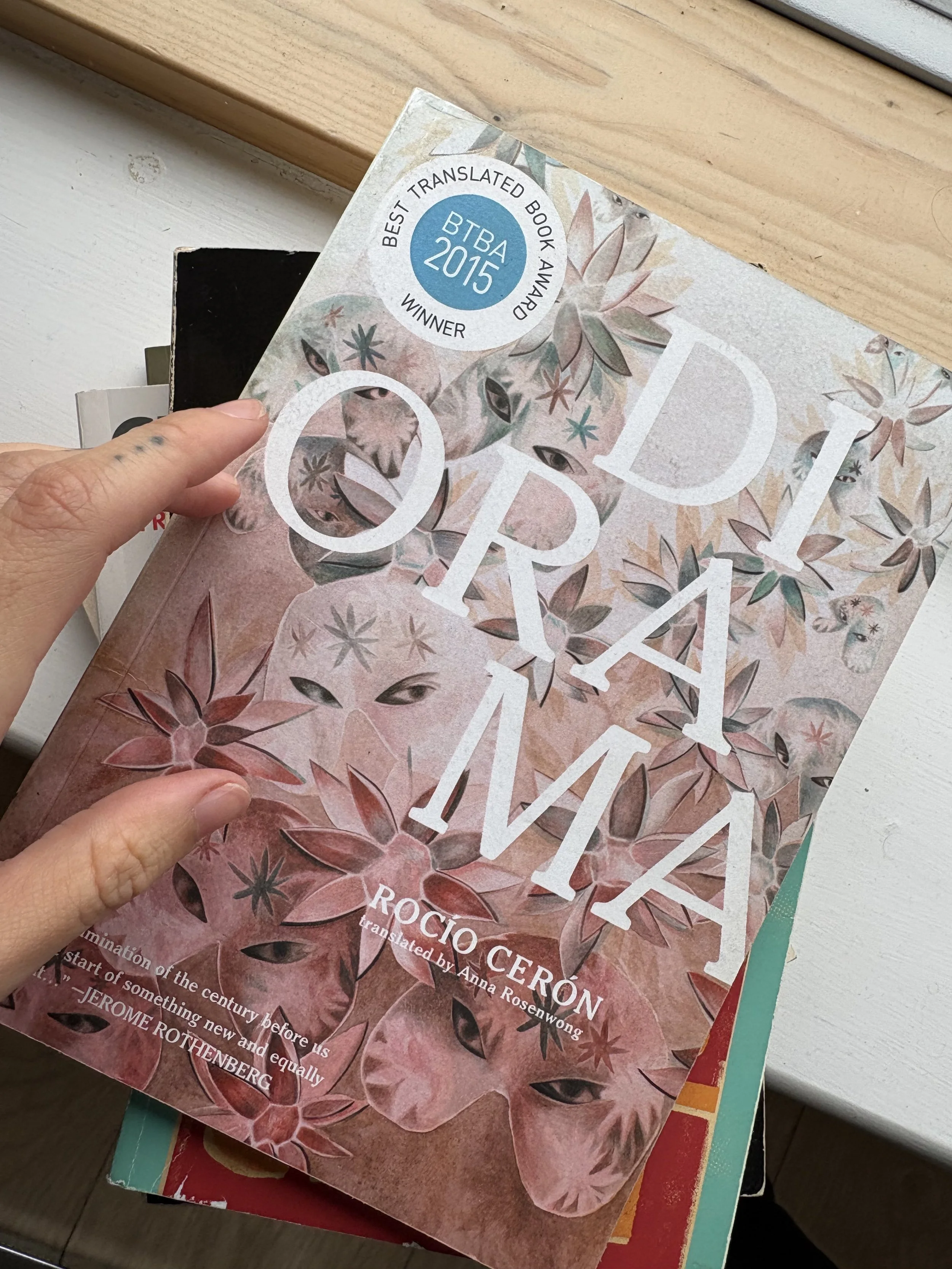
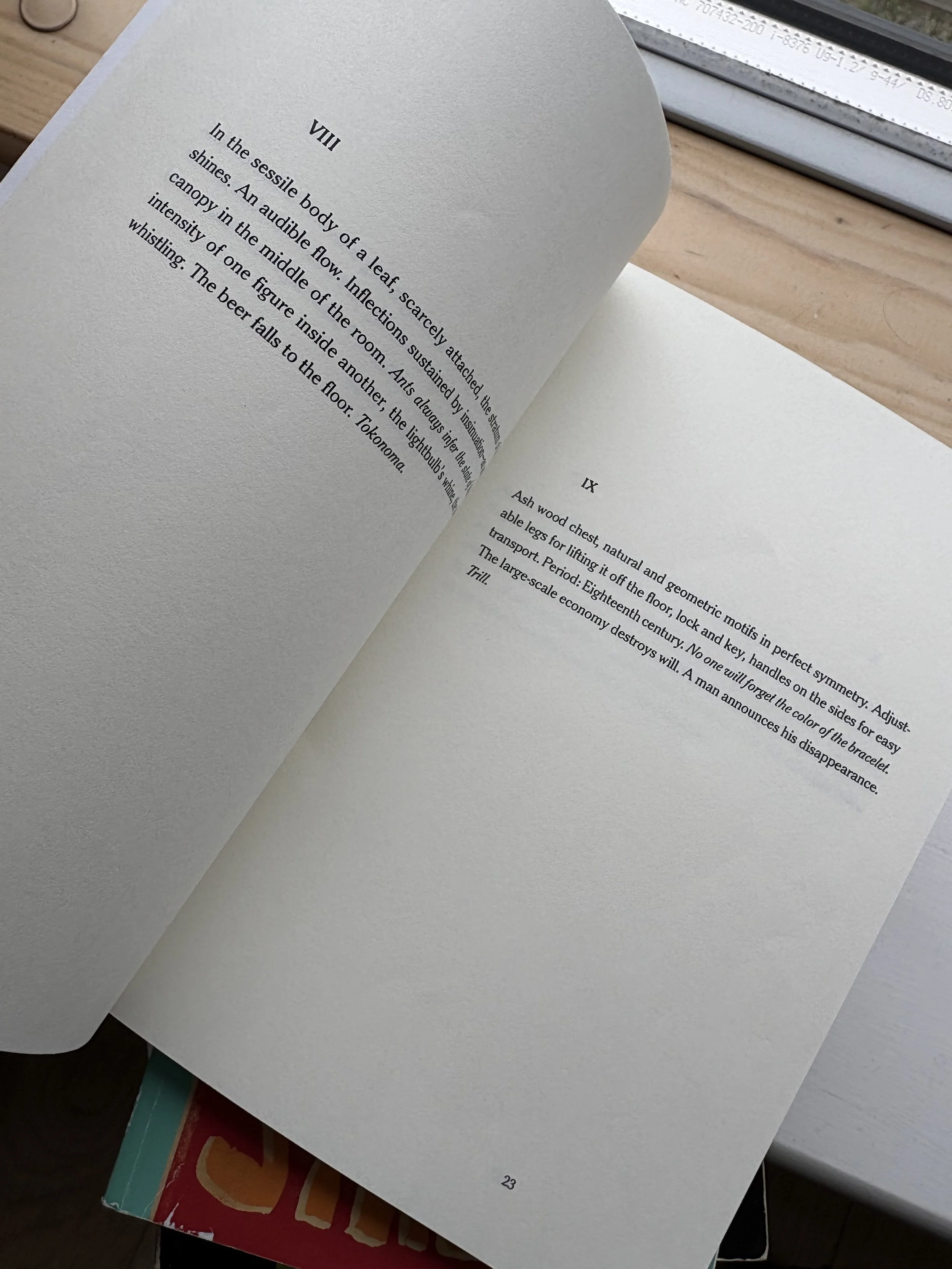
For mis Latinxs, Rocio Ceron’s work reminded me of the strength one can cull from the most innocuous objects—light bouncing off a steel pipe, the texture of a bathrobe, an ant crawling on a finger. There is beauty in everything, even in “nothing.”
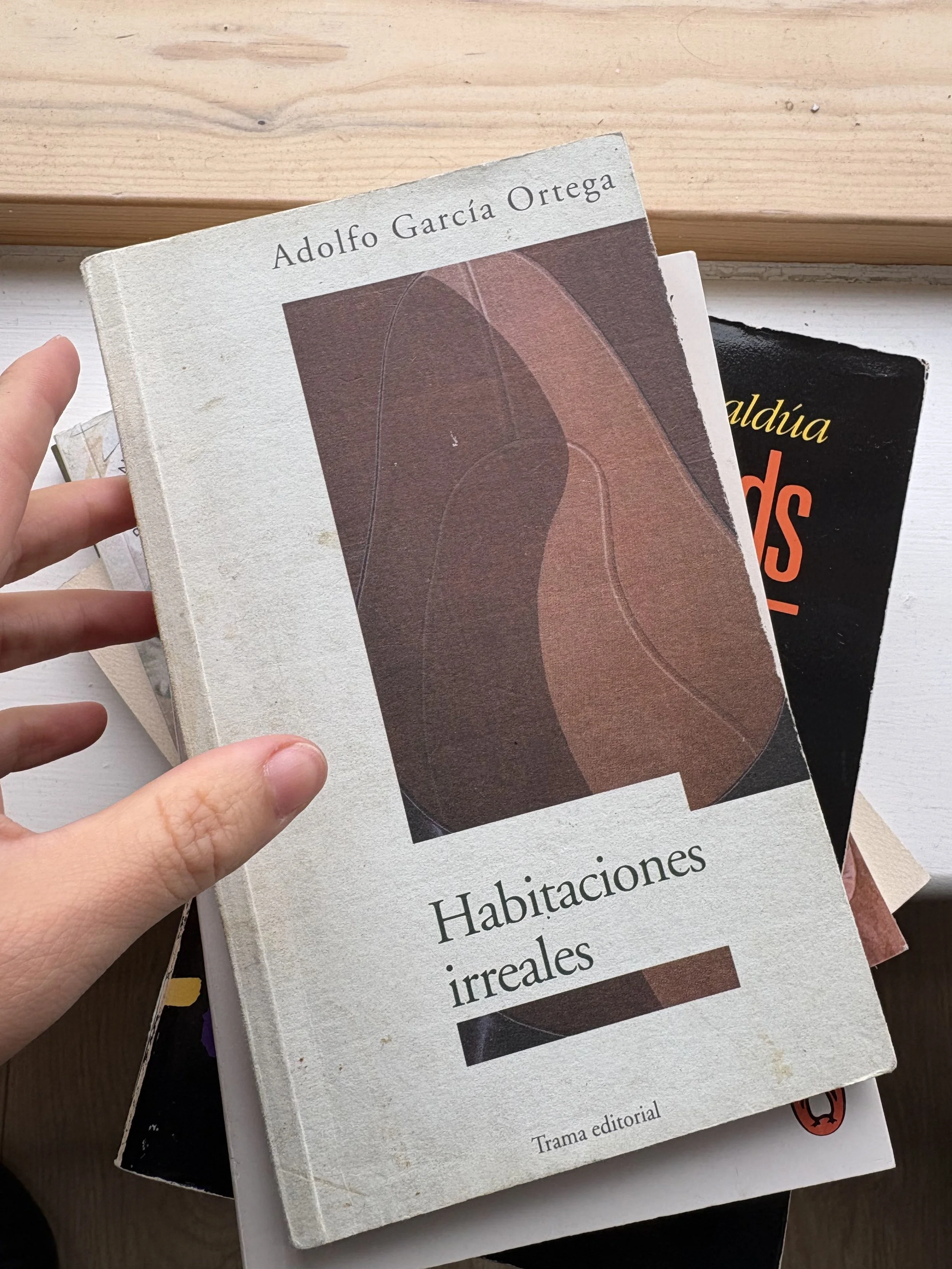
Adolfo García Ortega’s Habitaciones Irreales made it clear that saving your observations, whether it’s a sentence in a book or a stranger’s facial expressions, was not only a creative act but one that connected you with the world. I recommend taking a second to slow down and save what calls out to you: in a journal, in a photo, or however it may be.
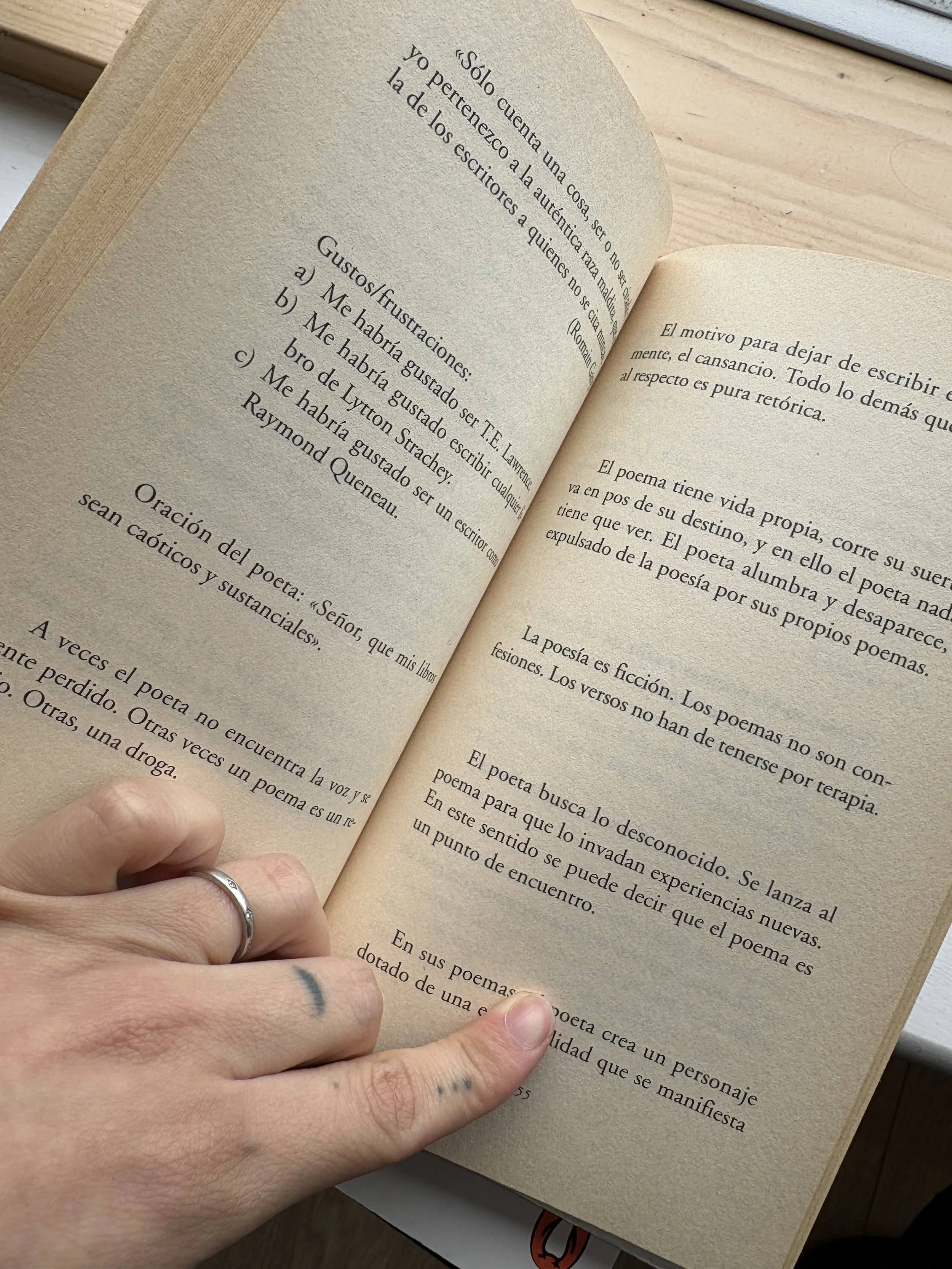
Sandra Cisneros’ The House on Mango Street made it clear to me that my life and family was beautiful, that it didn’t need to pretend to be anything else to be perfect. I hope it makes you feel this too.
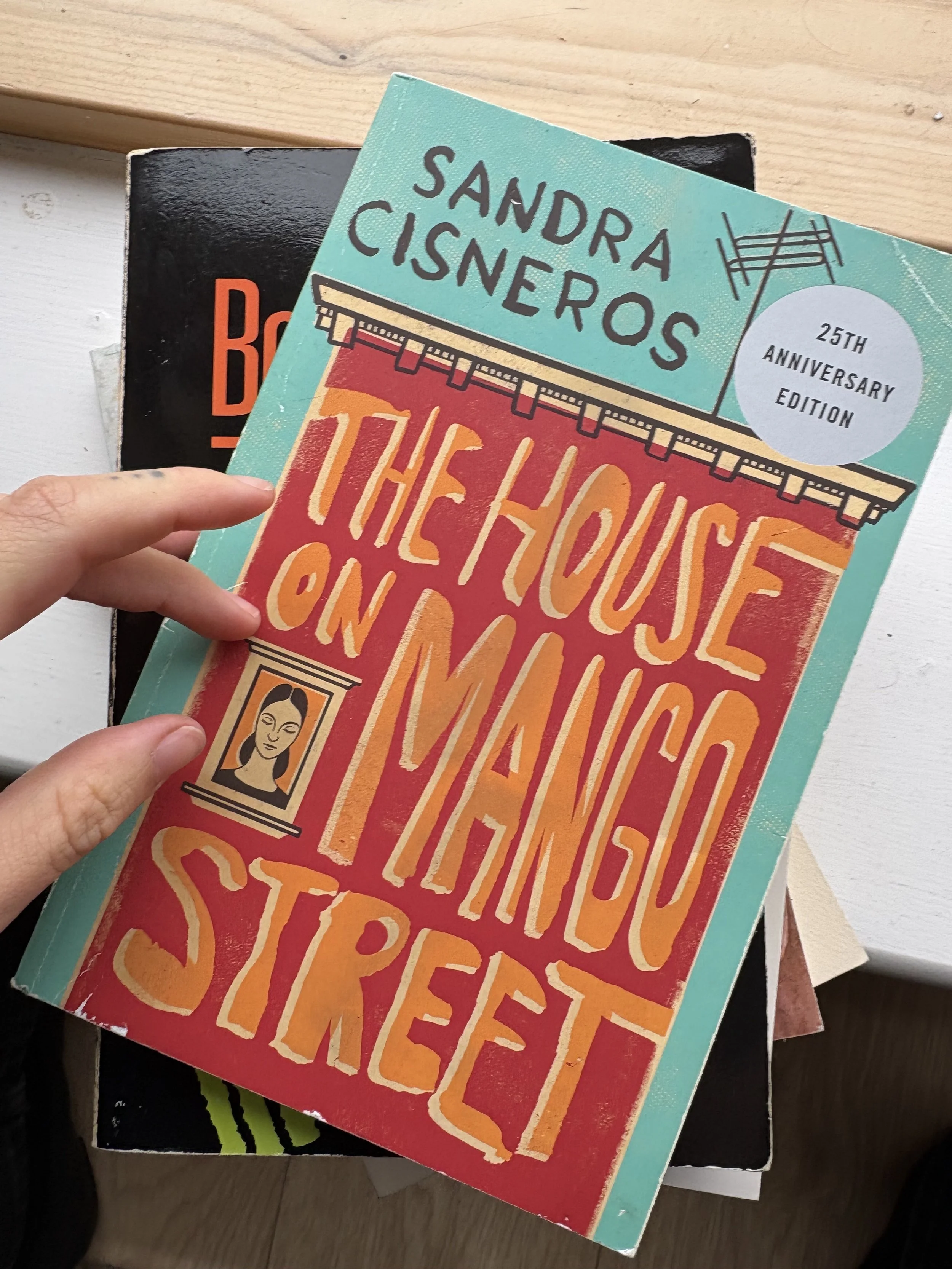
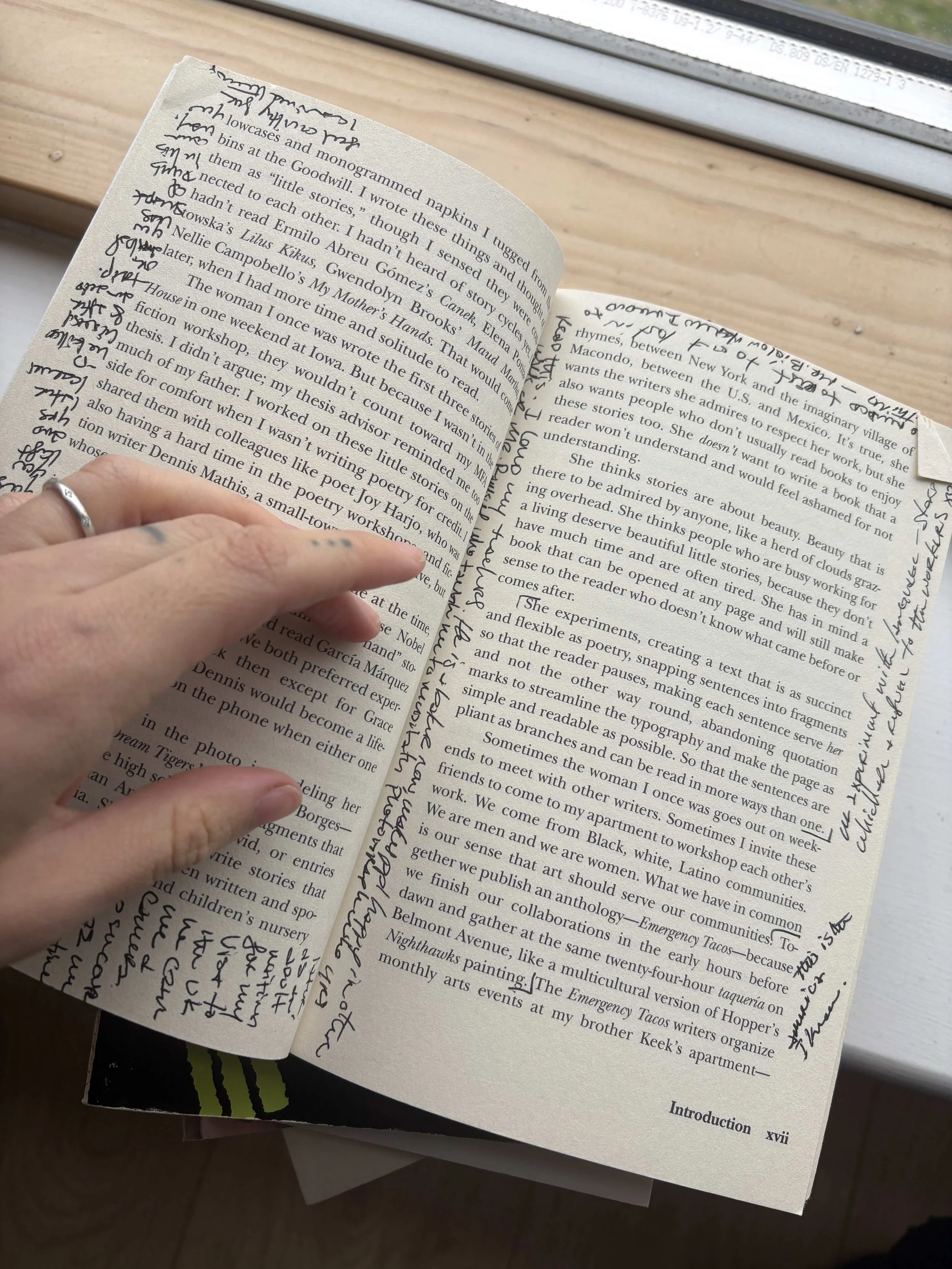
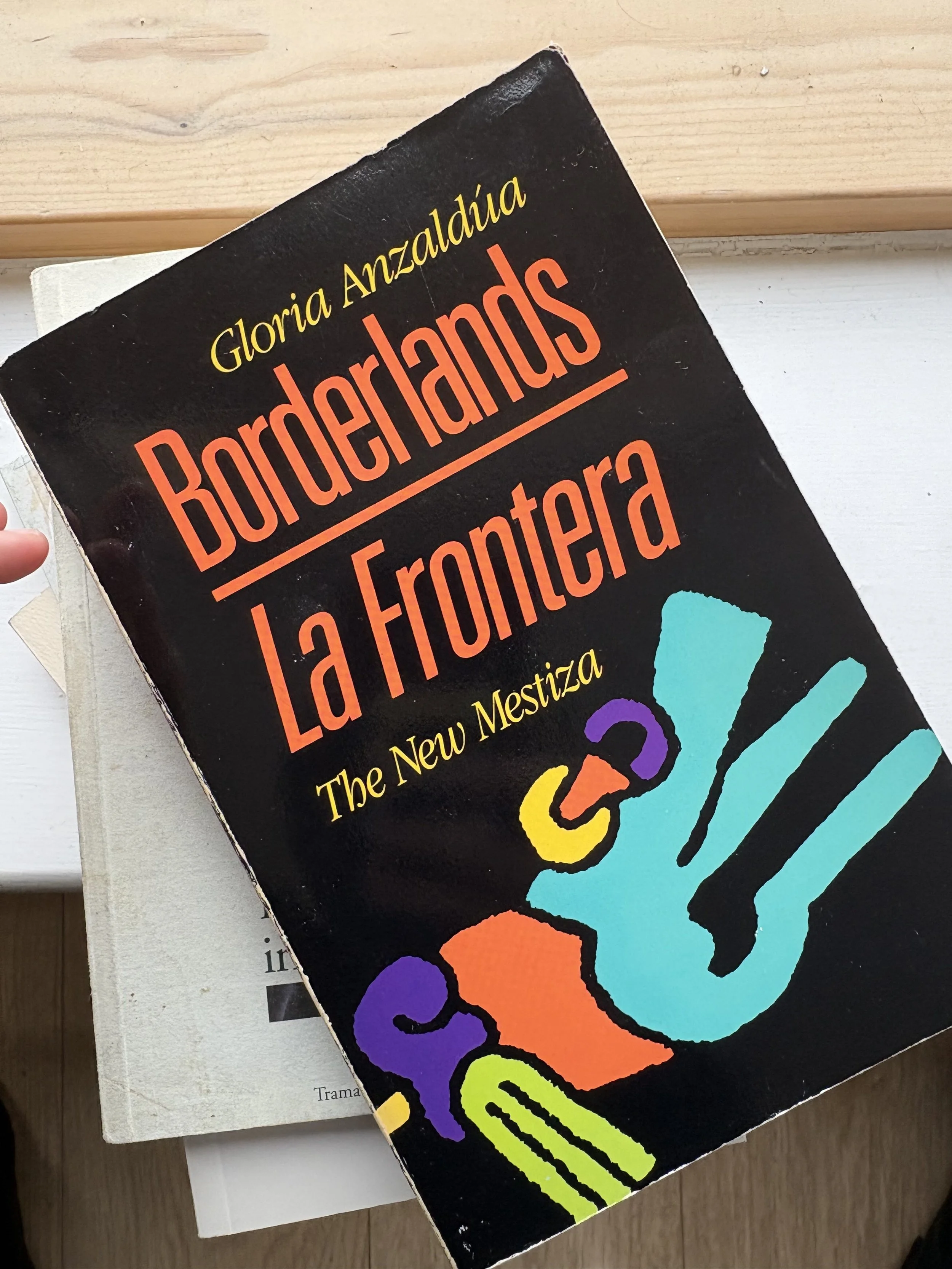
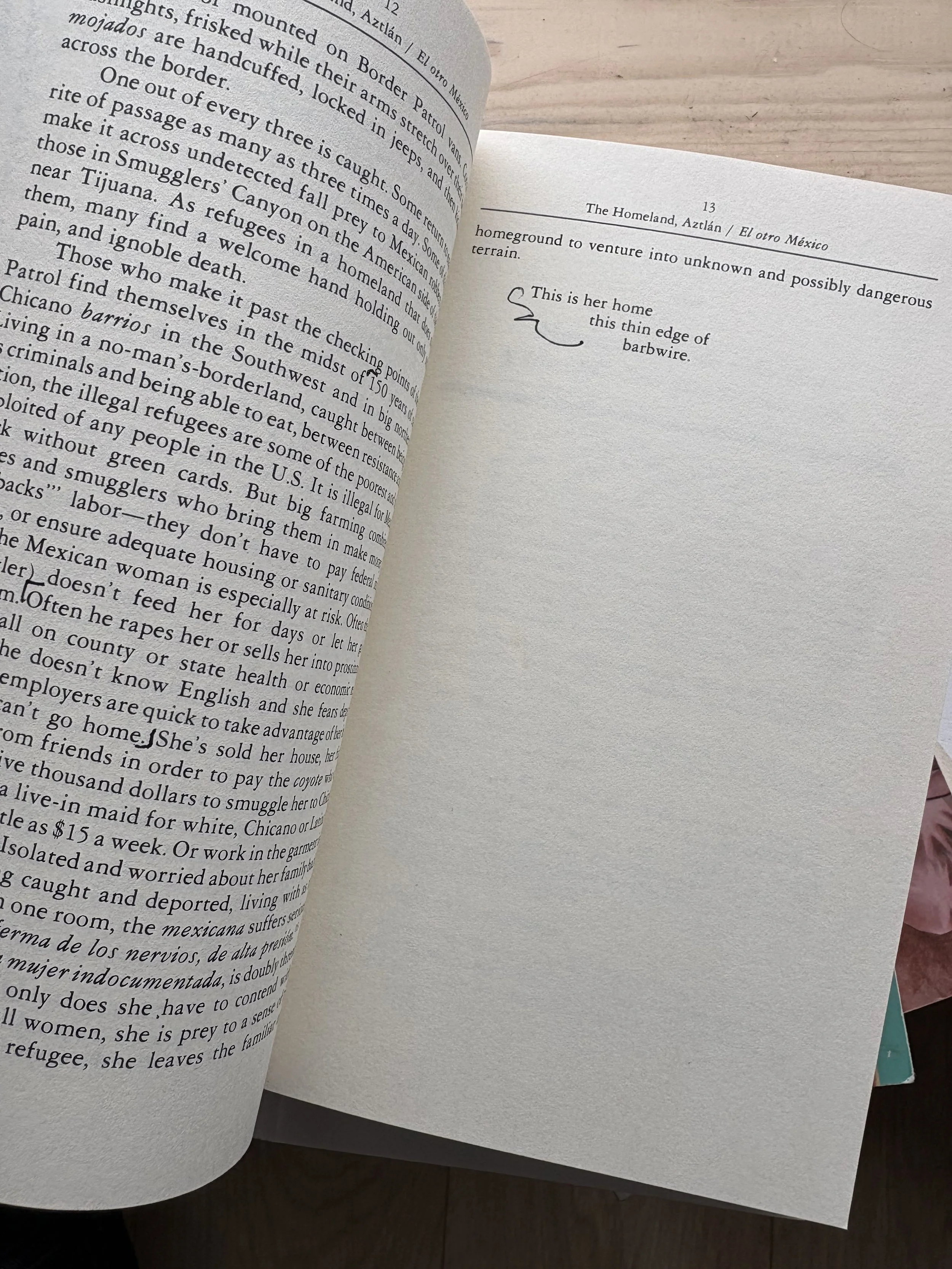
I can count on one hand the books that have affected me with such force, to the point of reshaping my own understanding of myself. Gloria Anzaldúa’s Borderlands is one of these books. It wasn’t until reading it that I realized how tightly that coil was wound. Let it release you.
For my Americans, Claudia Rankine is such an incredible writer that understands the multiplicity explicit to our condition as a country made of immigrants. Citizen: An American Lyric is a must read.
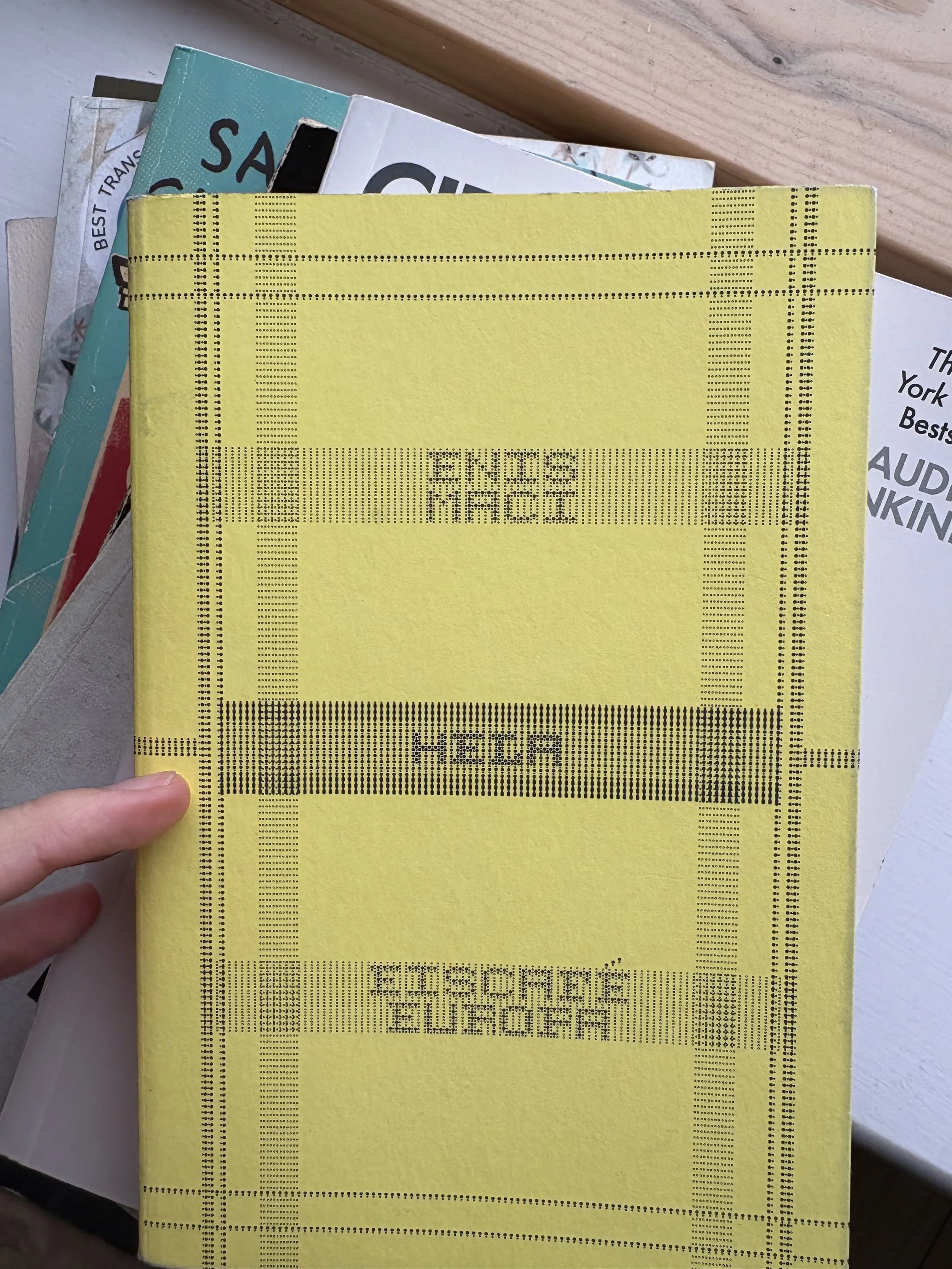
Enis Maci’s recently translated book Eiscafé Europa explores the history of facism in Europe, weaving together the personal with the universal. Maci’s beautiful prose gives us the tools to form parallels between historic movements and current events. It’s unsettling, yes, but there is a comfort in finding new forms of rebellion.
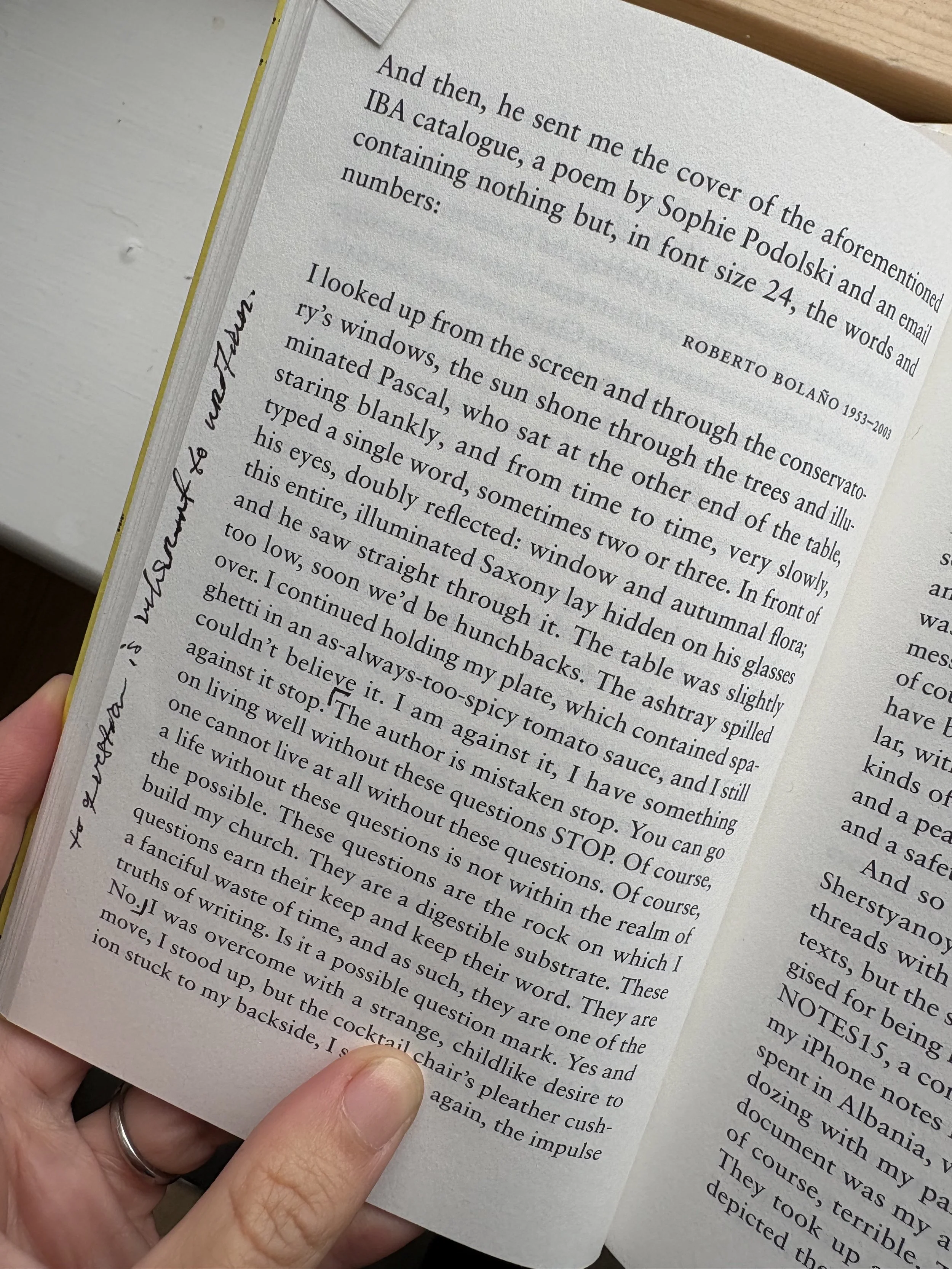
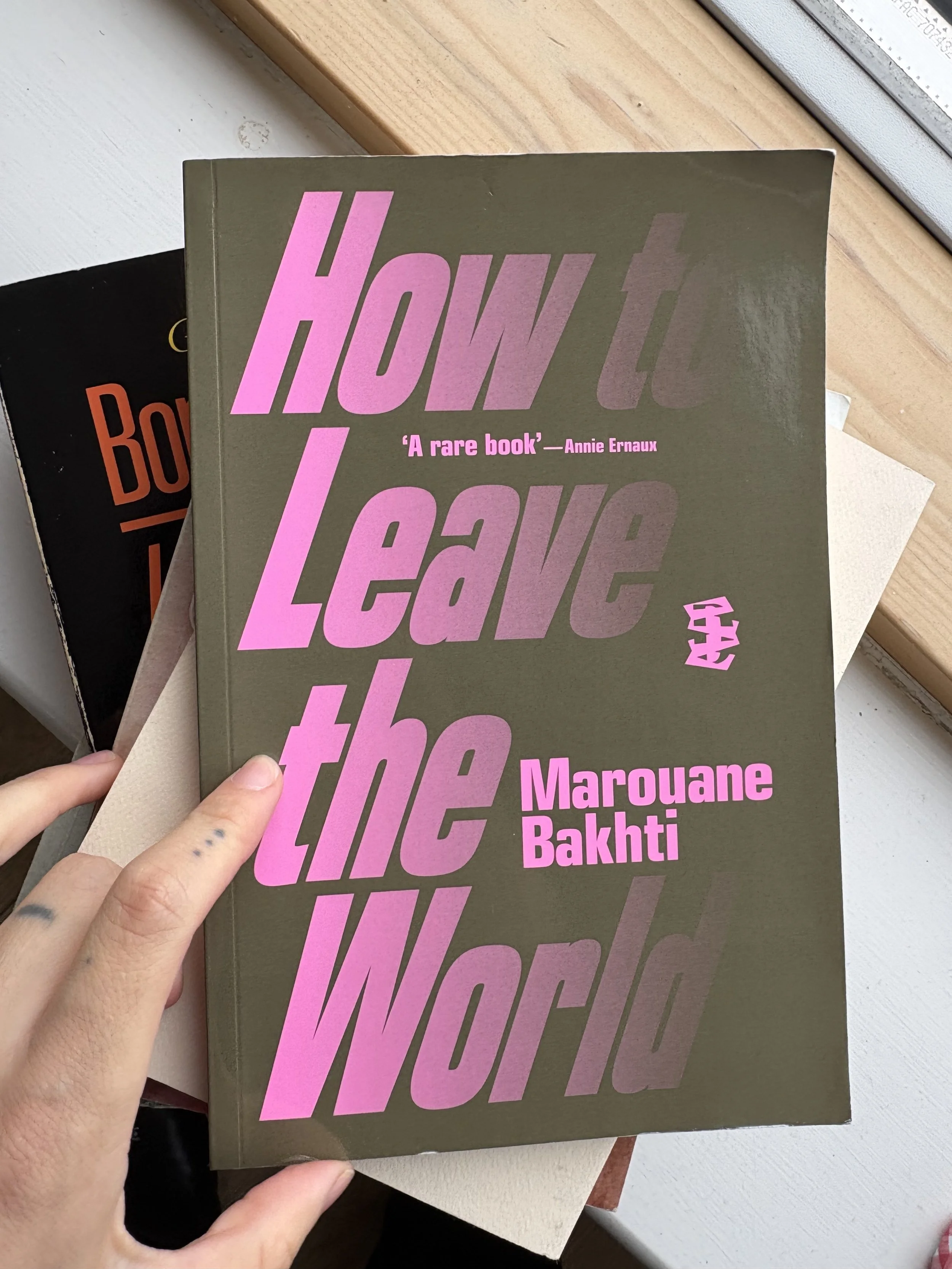
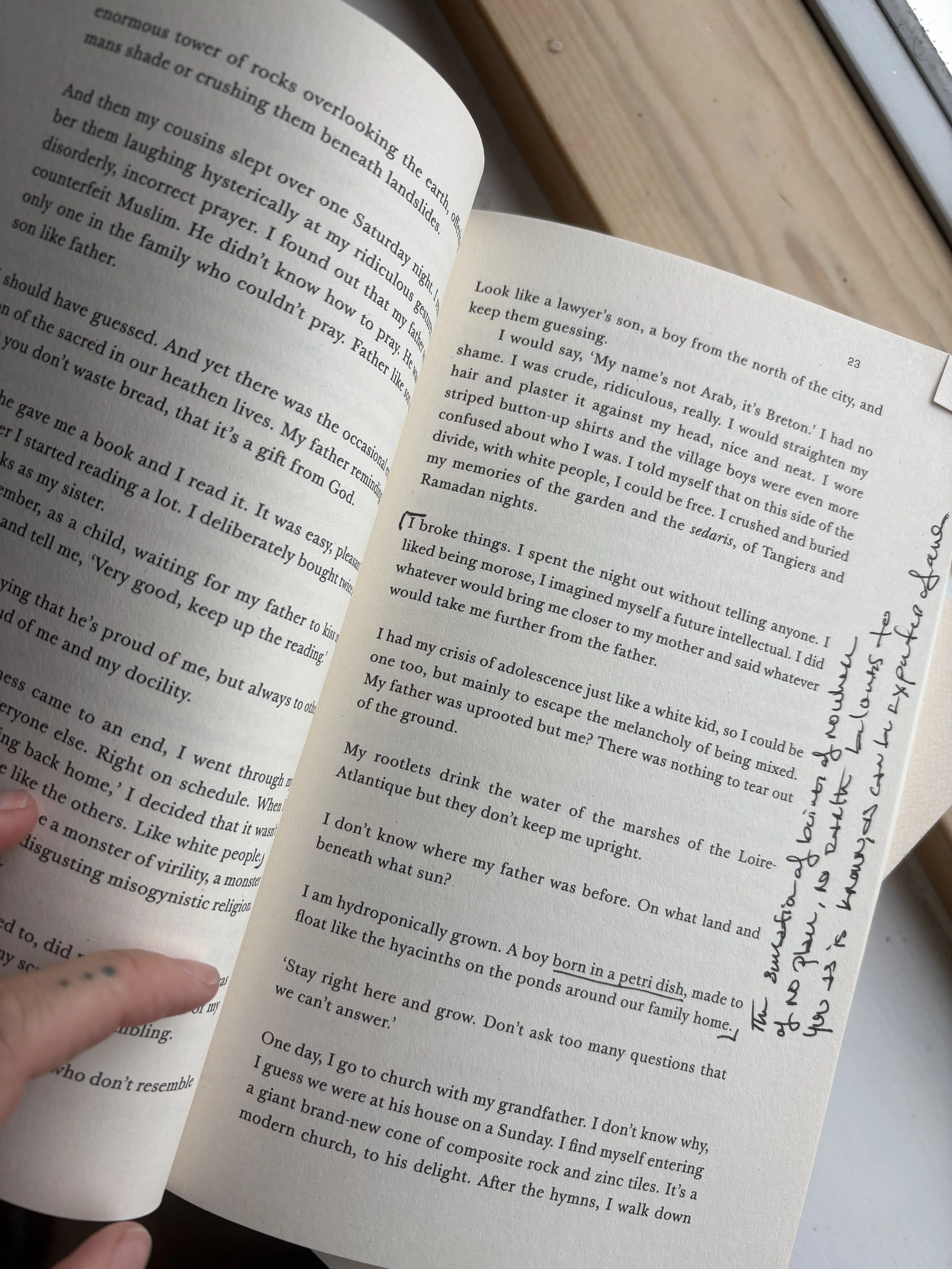
For my Europeans, particularly those who feel a kinship with what is currently happening in the US and what is murmured in the UK, How to Leave the World by Marouane Bakhti is a beautiful book that explores this in France. Reading these made me realize how similar our plights are, no matter the place.
Finally, I’ll leave you with a mix that never fails to move me. If you’re unsure where to start, start here.
Elida Silvey is a self-taught Mexican-American writer, editor and artist based in London. Her work explores visual theory and its relationship with identity, time and the construction of ‘the self’ as shaped by (collective) memory.
Silvey is an Editor at Montez Press and 1/2 of Dream Sequence, an experimental film club dedicated to non-linear and hybrid cinematic practices. Her writing spans personal essays, poetry, criticism and experimental forms that explore how visual culture mediates lived experience.
Her debut novel will be published by Montez Press in 2027.
