Worms Reviews: Deliverywoman by Eva Wyles
Octavia Bright reviews Eva wyles’ debut collection of short stories, Deliverywoman
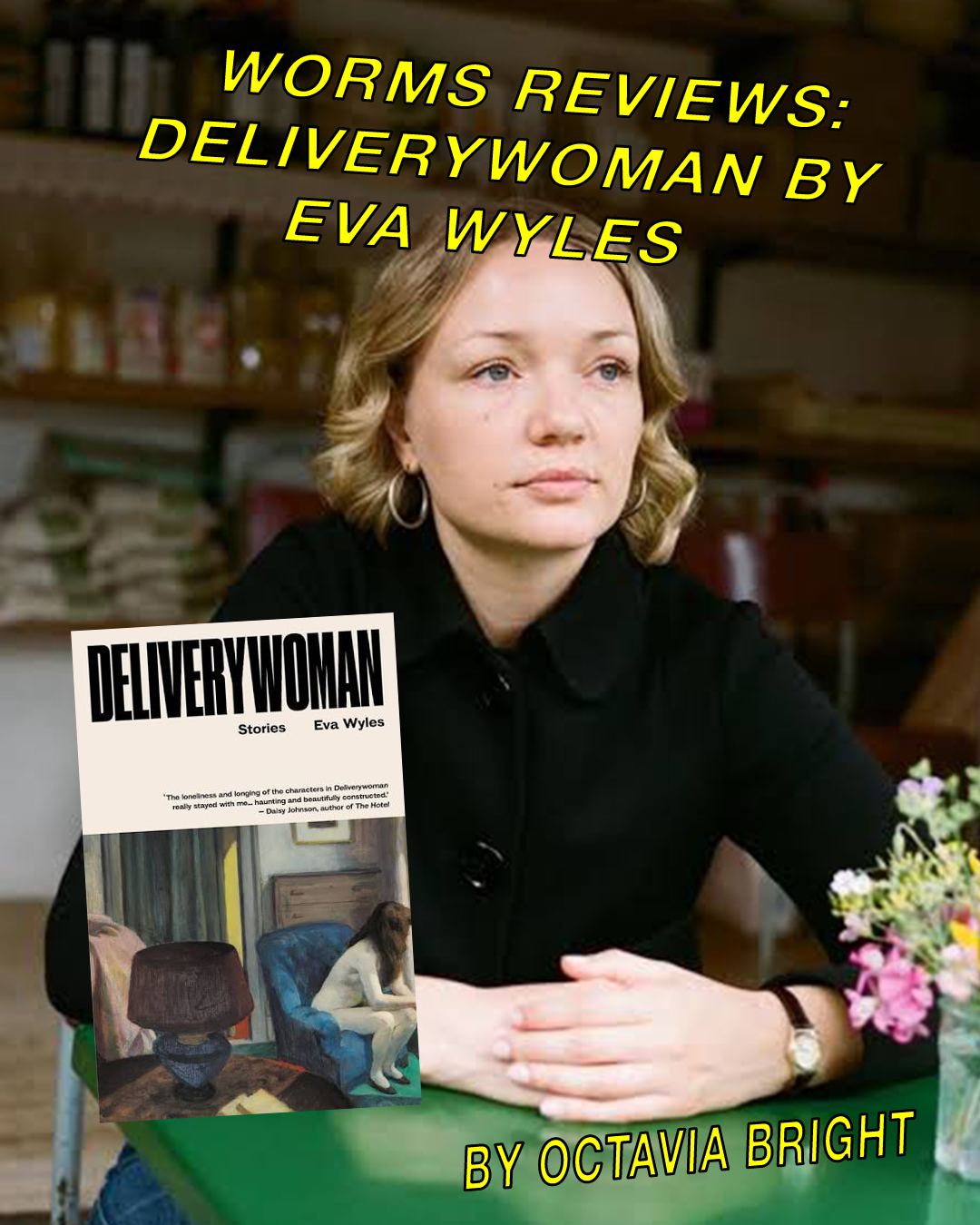
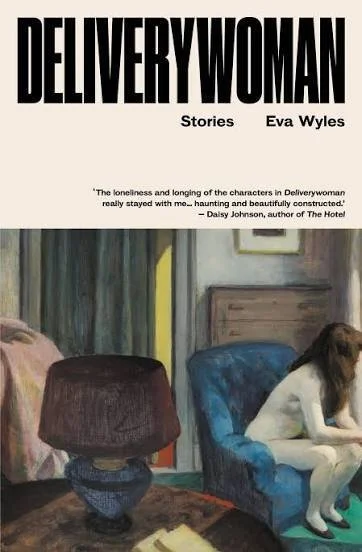
Reading Deliverywoman, by Eva Wyles, I thought constantly of Edward Hopper. Beyond Nighthawks and a couple of the artist’s other most reproduced paintings, I don’t know much about him, but the anxious, uncanny atmosphere synonymous with his name is the mood that unites the thirteen stories in this 2025 collection. In fact, the image on the book’s cover is from a Hopper painting, a 1926 piece called Eleven AM, in which a naked white woman sits on a velvet bedroom chair looking out of a large window. On her feet are a pair of black slip-on shoes, a small detail that charges the image with tension, and the kind of careful observation that gives Wyles’ writing a comparable sensibility.
The characters in these stories are lonely. That’s not to say they’re all alone, but whether single or coupled, surrounded by friends on a summer beach clean-up job, attending an online funeral, working a chaotic, booze- and drugs-fuelled ski season, escaping the real world into a virtual one, or supposedly protected from much of life’s hardship by stratospheric fame, their loneliness is inescapable. But Wyles doesn’t present this loneliness as something to be sensationalised or fixed. Instead, she describes the different ways it motivates her protagonists with skill and sensitivity, and, much like Hopper, offers a series of windows onto the lives of others so we might see how they live alongside this universal inner experience, and recognise the ways in which we do, too.
If we accept that loneliness is essential to the human condition, maybe we can stop fearing it, and even start to find it beautiful. In the epistolary story So, sorry, a famous actress who is full of regret writes to an estranged friend, a woman whose life has been much more mundane, that “there is a sort of beauty in all social compositions.” That’s what these stories are interested in discovering – the perverse beauty in teenage friendships bonded by “avoiding pain together,” the confusing loss of an ambiguous romantic connection cut short by a terrible accident, or the way a teacher and his love of art might offer solace to a lonely student.
That’s not to say Wyles lets the world we live in off the hook. There is value in finding beauty in loneliness, sure, but not in making apologies for late-stage capitalism and the ways it alienates people from one another and themselves. These predominantly queer characters are doing their best to survive, working the kinds of temporary jobs that define the gig economy, an untenable situation catalysed by a global financial crisis that peaked eighteen years ago and is yet to be resolved. It’s refreshing that here, queerness is incidental to loneliness: these characters are lonely because they live in an alienated world. It’s hard to live a good life in these conditions, no matter who you are.
“But Wyles doesn’t present this loneliness as something to be sensationalised or fixed. Instead, she describes the different ways it motivates her protagonists with skill and sensitivity, and, much like Hopper, offers a series of windows onto the lives of others so we might see how they live alongside this universal inner experience, and recognise the ways in which we do, too.”
The collection ends with a warning. Set in the aftermath of a different global crisis, the narrator of the eponymous story describes a post-pandemic, socially distanced world invested in keeping people separate from one another: a dark reflection of our current reality. The virus is no longer a threat, but people have become so fearful of life, and of the potentially messy experience of having meaningful relationships with one another, that emotional expression is considered to be “embarrassing, overly earnest, or weak.” Against the odds, the narrator meets a woman and they fall in love, but the inevitable difficult negotiation of their differences threatens everything. Ultimately, it’s the sight of lots of different windows glowing yellow in the night, the contemplation of other lives, that helps her cope. “They guide me somewhere outside of myself,” she explains, “that in turn, takes me back inside.” Which is exactly what Deliverywoman offers its readers, too.
Octavia Bright is a writer and broadcaster. She co-hosted the books podcast Literary Friction for over a decade, presents literary programmes for BBC R4, and regularly hosts events for bookshops and festivals. Her memoir, This Ragged Grace, is published by Canongate. You can find her on Substack at Out of Chaos.
