where we ask our favourite WRITERS to fill in a Library Card with the books they have on loan, reserved, lost & found, and on their top shelf.
Inspired by library sections and driven by the curiosity to get to know the books behind our favourite writers, tune in every month as we reveal what titles fill their bookshelves. What they’re currently reading, what they’re going to read next, what vintage classic they can’t get out of their heads and what book is their favourite of all time. Find out on DUE DATE.
Introducing Charlotte Northall!
Charlotte Northall is a London-based writer. Her debut book, Practicing Dying (Pilot Press, 2025), is a literary anti-memoir exploring addiction, spirituality, selfhood and the limits of conventional recovery narratives. It was published to critical acclaim and shortlisted for the TLS Ackerley Prize. She is currently working on Down and Out in Kensington and Chelsea, a polyphonic novel addressing the housing crisis in Britain’s most unequal borough. Her work spans non-fiction, fiction and cultural criticism. She holds a PhD in Creative Writing.
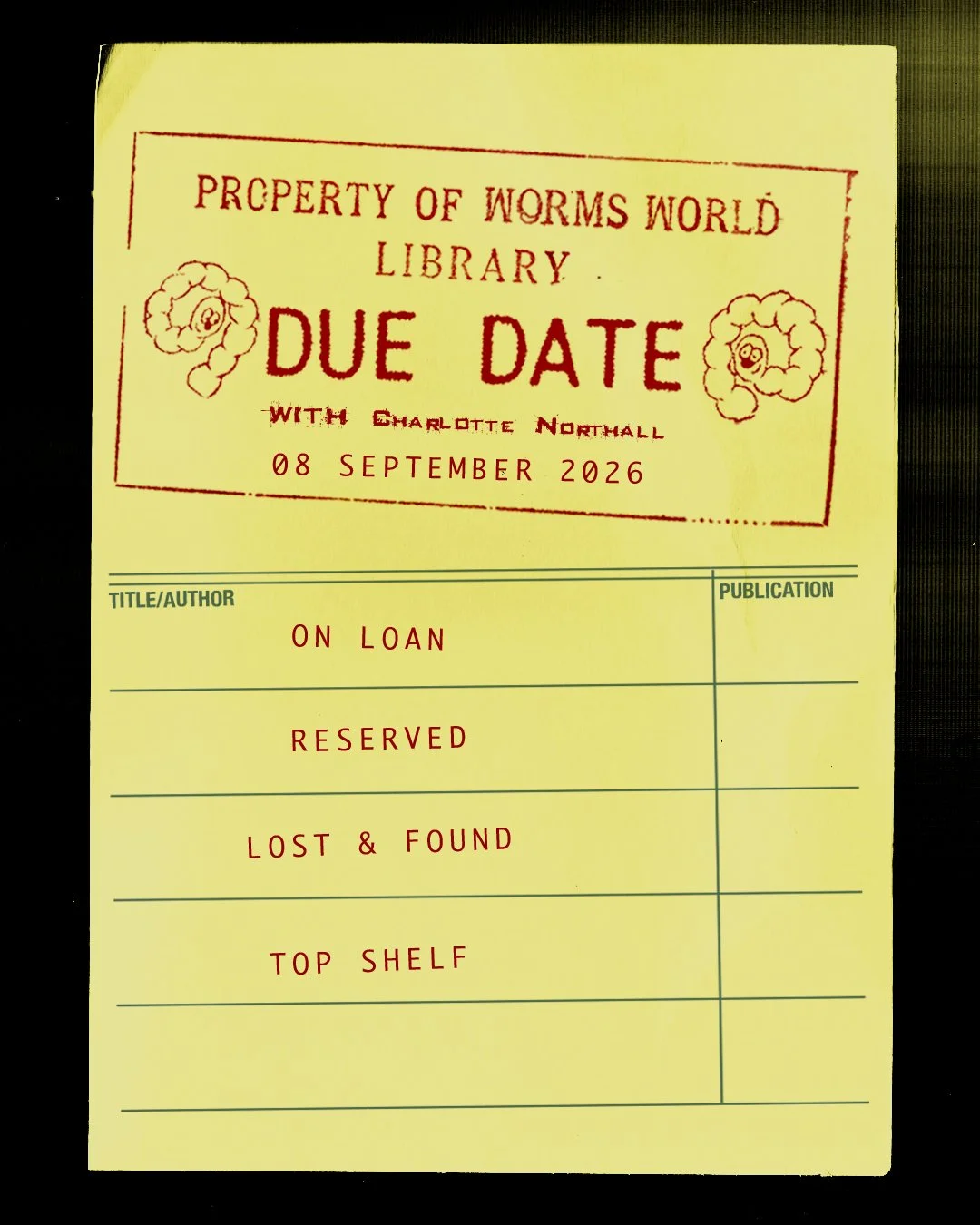
ON LOAn: What are you currently reading?
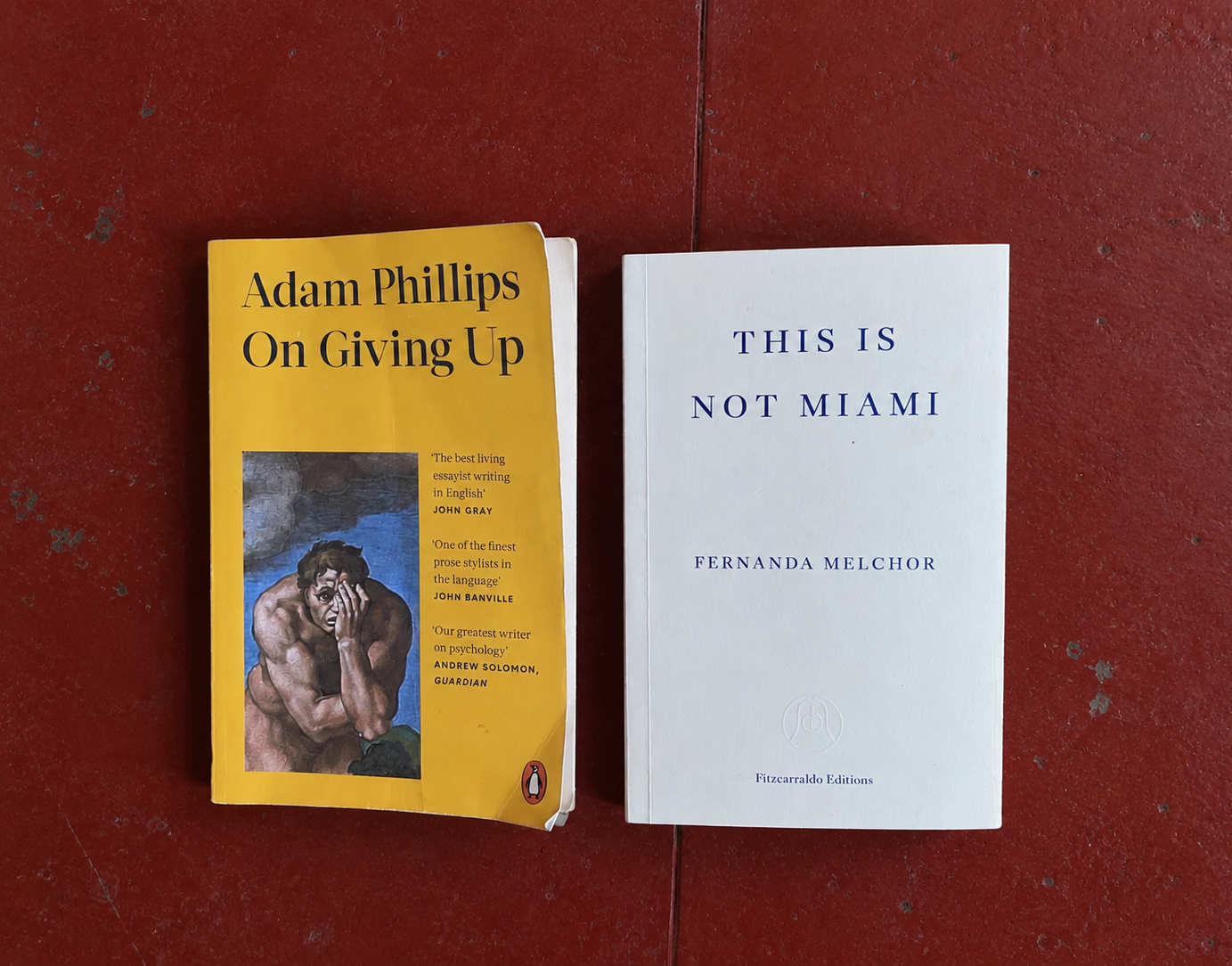
I’m reading Adam Phillips’s On Giving Up and Fernanda Melchor’s This Is Not Miami. Phillips led me back to Viktor Shklovsky’s ‘Art as Technique’ (1917): art as a means of recovering life from habitualization, making the familiar strange enough to be seen again. There’s something Hegelian in this too: critique can work from within, exposing the contradictions in what presents itself as natural or inevitable.
RESERVED: WHAT ARE YOU excited to read next?
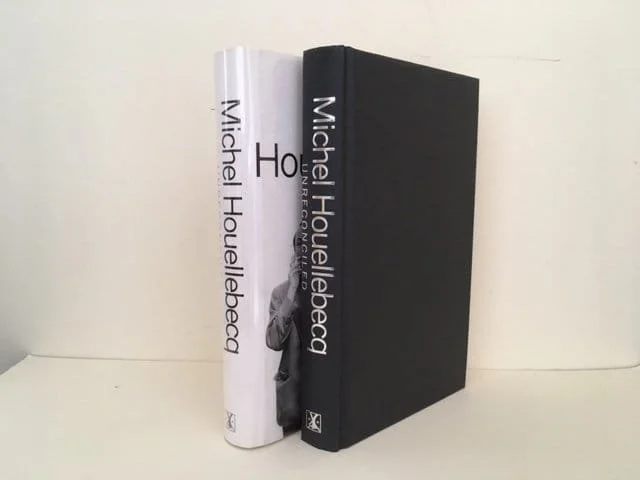
Michel Houellebecq’s Unreconciled. I love Houellebecq but have never read his poetry. It’s always interesting to see what remains, and what is revealed, of a writer’s sensibility when they move between forms.
LOST & FOUND: WHAT IS A classic YOU loved reading or HAVE recently rediscovered?
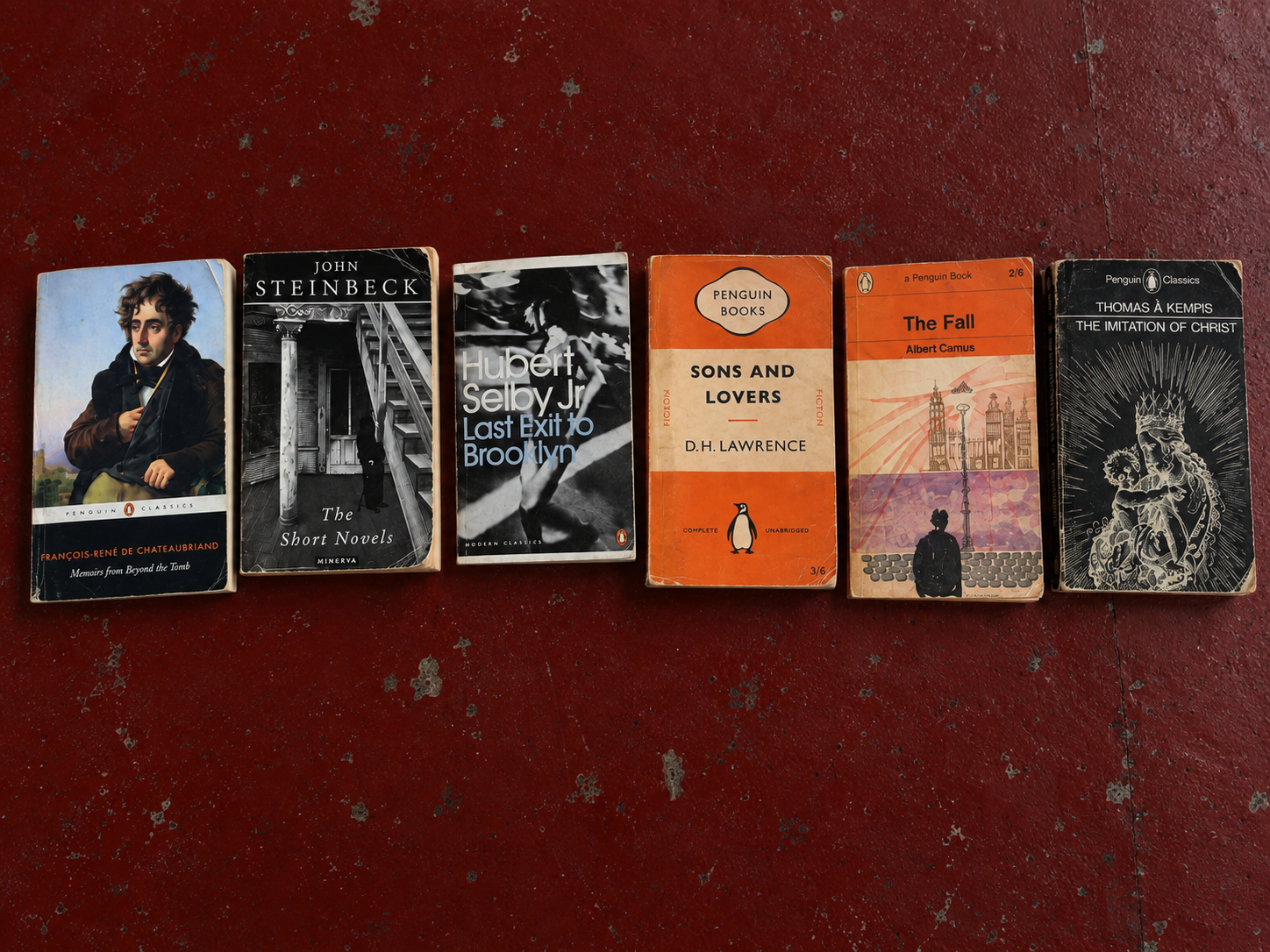
Camus’s The Fall, Steinbeck’s The Short Novels, Hubert Selby Jr’s Last Exit to Brooklyn, D. H. Lawrence’s Sons and Lovers, Chateaubriand’s Memoirs from Beyond the Tomb and Thomas à Kempis’s The Imitation of Christ. Every book conveys a mind, a world arranged by that mind. To read is to face outwards.
TOP SHELF: What’s your favourite book ever?
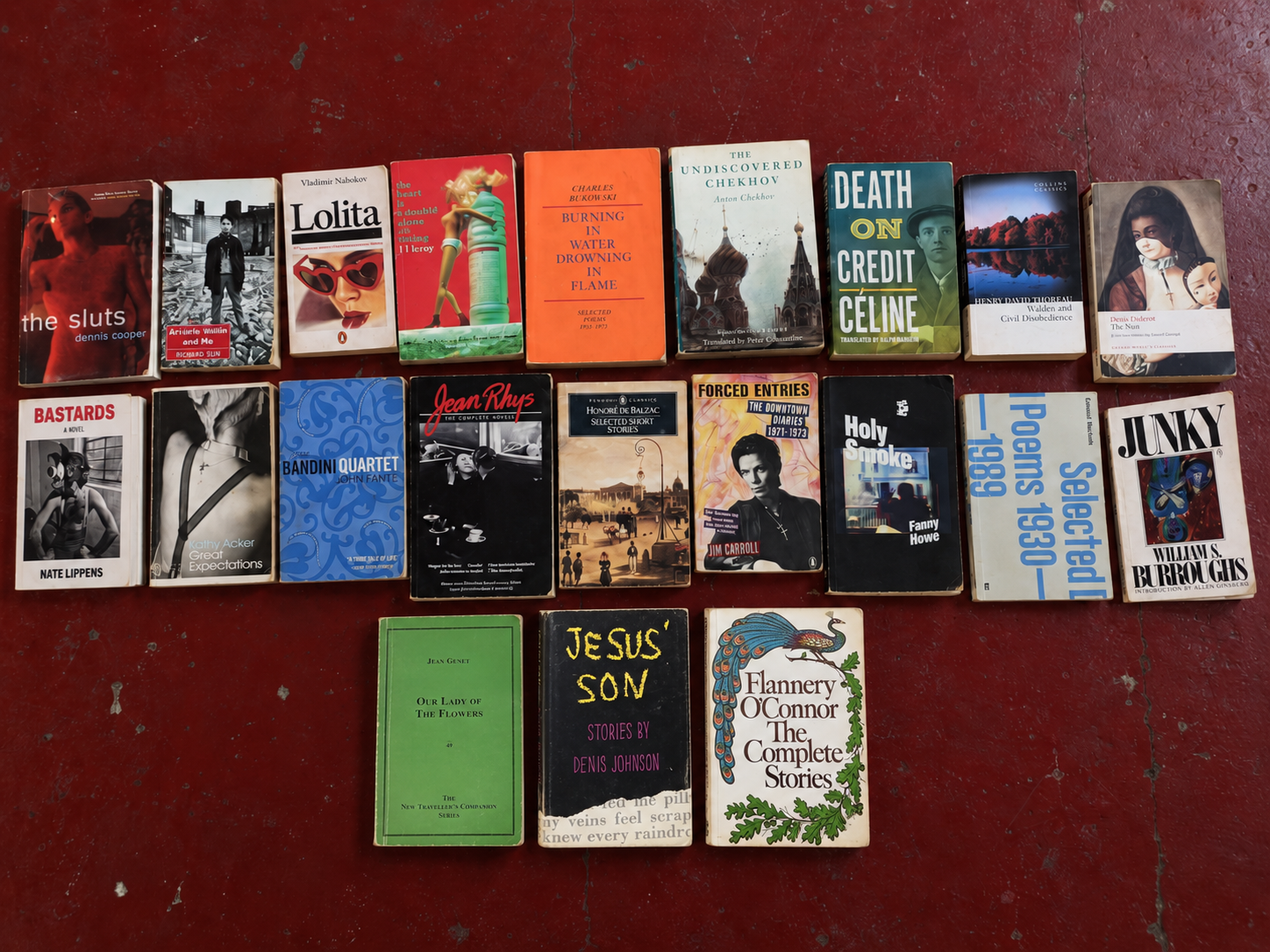
Nabokov, Céline, Genet, Flannery O’Connor, Denis Johnson, Kathy Acker, John Fante, Jean Rhys, Burroughs, Bukowski and Chekhov. I like formally experimental writing, but not pseudo-clever macho-cerebralism: formal experiment as an end in itself. Who cares? Boring. Get over yourself. Writing needs heart: brains and guts. And, preferably, humour when addressing serious matters. I’m currently working on a polyphonic novel, an exercise in imagination, empathy and self-forgetting. Writing fiction feels architectural: building from the bottom up, adding layers, introducing verticality. First-person non-fiction entailed distilling experience: a more analytic way of thinking. Writing is thinking in motion. We need more original writing, more original thought. Perhaps originality begins in refusing to treat received ways of seeing as exhaustive. In looking again.
